Dehydration is a common concern when kids get sick. It happens when a child loses more fluids and electrolytes than they take in. Electrolytes are minerals that help the body function properly.
In children, dehydration most often occurs when they are sick, especially if they are vomiting or have diarrhea. It can also happen in otherwise healthy kids who are not drinking enough fluids, especially during hot weather or intense physical activity.
Because dehydration can become serious quickly, it’s important for parents to know the signs and what to do if you think your child may be dehydrated.
How Can You Tell If Your Child Is Dehydrated?
Signs of dehydration in kids can include:
- Fewer wet diapers or reduced overall urine (pee) output
- Thirsty, headache, not feeling well
- Being unusually sleepy or hard to wake up
- Can’t keep fluids down; vomiting and diarrhea
- The eyes may look a little sunken
- Crying with no tears
- Pee is a dark color
A sign of dehydration in babies under age 1 can involve the soft spot (anterior fontanelle) in the middle of their head. If that is still open and you see it sunken in, it can be a sign of dehydration.
Call your child’s doctor if you notice any of these signs in your child.
What Effect Does Dehydration Have on the Body?
The major organs can be at risk when you’re dehydrated.
The body is made up of 70% water. When it doesn’t have enough fluids, the body’s organs try to make up for it.
Dehydration causes the heart to work harder, which then affects all of the other major organs in the body. Typically we worry most about the brain, heart and kidneys during dehydration, but every organ and cell in the body is at risk of negative consequences of the body not getting enough fluids.
Can Sick Kids Lose Fluid Through Sweating?
Yes, while a sick child will lose fluids when they vomit, have diarrhea or pee, your child may also lose fluids as sweat evaporates from the skin. This is especially true for children who have fevers, since they’ll likely be producing more sweat.
Is Dehydration Common in Healthy, Active Kids?
While dehydration can happen in kids who are playing hard, typically in these situations, a child’s natural thirst takes over. So even if they’re having a lot of fun, their body will clue them that it’s time to stop and take a drink.
Some kids get so into their activity that they ignore their thirst. If you know your child doesn’t slow down for water, you may need to help with reminders to take that water break.
When it comes to possible dehydration, pay special attention to really competitive athletes. When they’re at a practice or game, they might not notice their thirst or they might ignore it in favor of continuing to participate in their sport.
If your child has long or demanding practices or workouts, make sure they know the importance of taking water breaks.
What Are Some Tips for Preventing Dehydration in Kids?
Encourage regular water breaks.
For healthy children who eat a balanced diet, water is usually the best choice for staying hydrated. Most do not need an oral rehydration or electrolyte drink during regular play or activity.
Act early when kids are sick.
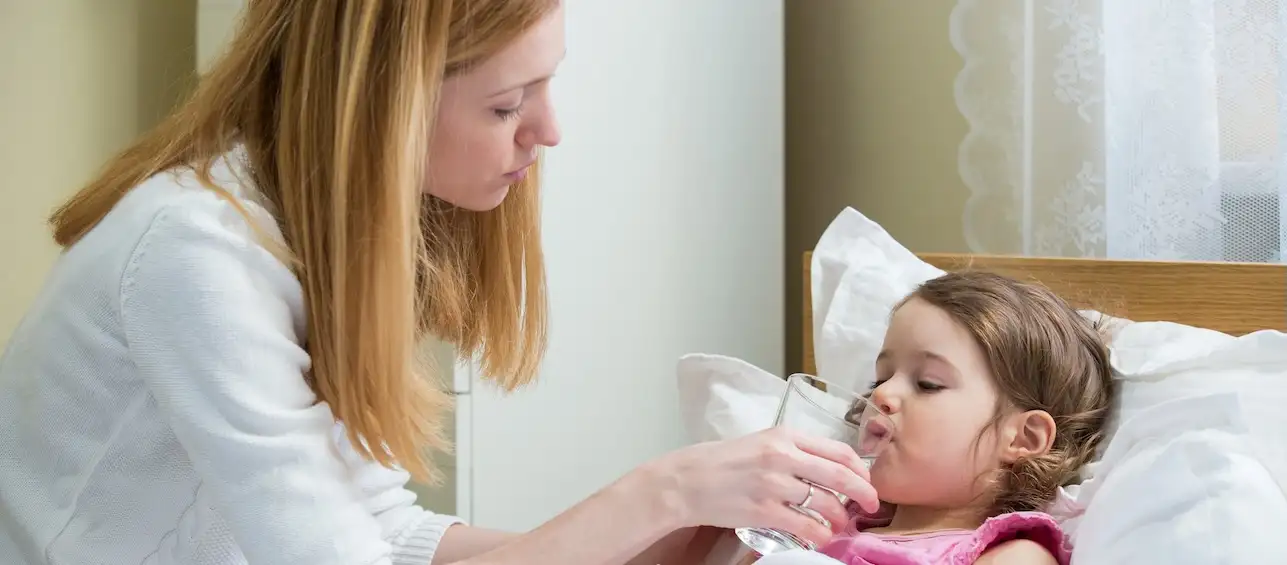
If your child is vomiting or has diarrhea, offer small, frequent sips of fluids. Oral rehydration solutions can help replace both fluids and electrolytes.
For babies who are breastfeeding, continue offering breast milk whenever possible.
Keep track of fluid intake and output.
Monitor what your child is drinking, how much and how often. Also pay attention to how often they’re peeing, and if they are vomiting or having diarrhea.
This information can help your doctor determine whether dehydration may be developing.
Choose the right fluids.
Avoid drinks with added sugar when treating dehydration. Instead, use a sugar-free oral rehydration drink like Pedialyte® or no-sugar-added Ceralyte®.
Involve your pediatrician early.
Call your child’s doctor if your sick child is having trouble keeping fluids down or if dehydration symptoms are getting worse.
Preventing dehydration and treating it early are the best ways to avoid serious complications.
When Should I Call a Doctor About Dehydration?
Call your child’s doctor if your child has signs of dehydration, is vomiting repeatedly, cannot keep fluids down, or seems unusually sleepy or difficult to wake.