
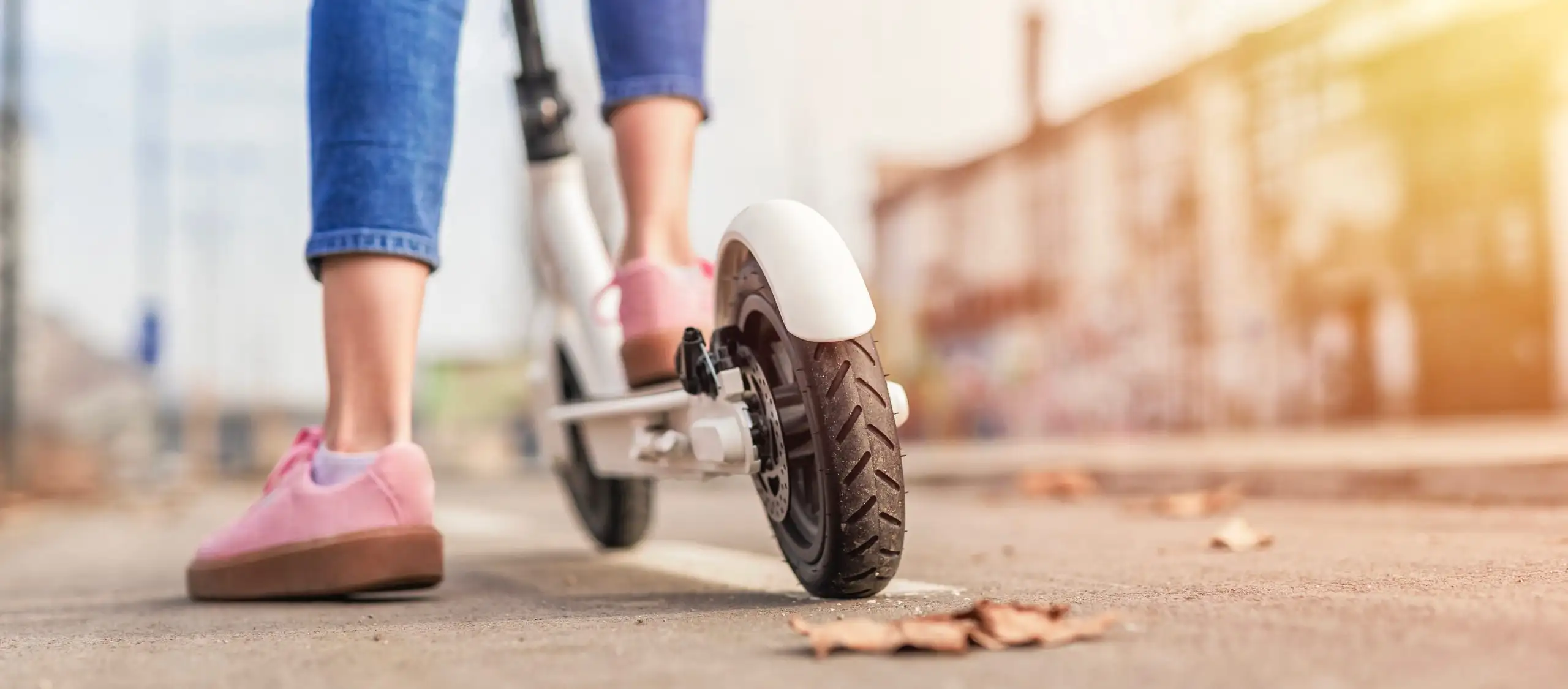
More kids are riding electric scooters (e-scooters) and electric bikes (e-bikes) but they come with serious safety concerns.
Unlike traditional foot-powered scooters and bikes, e-scooters and e-bikes reach speeds of up to 28 mph. Some can even go above 45 mph. High speeds lead to greater impact during crashes, resulting in more serious injuries.
Like national trends, we are seeing a rise in broken bones, traumatic brain injuries, internal bleeding to organs, and trauma to more than one body system from e-scooter and e-bike accidents.
Why Are Electric Scooters and Bikes More Dangerous?
- High speeds – Faster speeds mean greater force in crashes, making injuries worse.
- Inexperience with traffic laws – Young riders lack the knowledge of road safety and traffic rules.
- Risky behavior – Young riders tend to take more risks, such as riding without helmets, ignoring traffic signals and carrying passengers.
The Recommended Age for Riding E-Scooters and E-Bikes
The American Academy of Pediatrics recommends that kids be at least 16 years of age to ride an e-scooter. A driver’s license is required to operate a certain class of e-bikes. Kids younger than that lack the judgement and experience to navigate traffic safely. Studies show that children incur more injuries than adults on these devices, and males more than females.
While e-scooters and e-bikes seem like a fun and easy way for kids to get around, the risks outweigh the benefits. Foot-powered bikes and scooters will still get them where they need to go, and they’ll get some exercise too!
Safety Tips for Riders of E-Scooters and E-Bikes
If you feel like your kids are responsible enough to ride an e-scooter or e-bike, take these steps to reduce the risk of serious injuries:
- Establish clear rules – Set guidelines on where, when and how they’re allowed to use the scooter or bike.
- Always wear a helmet – Helmets reduce the risk of head injuries in case of a fall or crash. The recent increase in head injuries shows that kids aren’t wearing them enough.
- Use proper footwear – Closed-toed shoes, like sneakers, help protect the feet and ankles from injuries. Sneakers also allow for better contact to pedal or push, preventing accidental slips or falls.
- Ride alone – Carrying passengers can knock them off balance and increase the risk of crashes, putting both the driver and passenger at risk.
- Follow traffic laws – Riders should stop at stop signs, yield to pedestrians, travel in the same direction as traffic, look both ways when crossing streets, and use bike lanes when available.
- Know local rules – Many cities do not allow riding e-scooters and e-bikes on sidewalks due to safety concerns with pedestrians.
- Avoid distractions – No texting, using cell phones, or wearing earbuds while riding. This can prevent kids from hearing traffic.
- Be visible – Scooters and bikes can be difficult for drivers to see. Wear bright colors, reflective clothing, and add lights.